First Presbyterian Church of Alton is a congregation in the Reformed tradition with a historic commitment to Alton and the Riverbend area. We seek to glorify God through beautiful worship, thoughtful listening, and compassionate service. All people are welcome to participate in worship, join in membership, and grow in leadership, without any discrimination on the basis of race, gender, or sexual orientation.
Our Mission
Gathering
At First Presbyterian we join together for the purpose of glorifying God. On Sunday mornings this looks like beautiful, liturgical worship in the Reformed tradition, led by our Director of Worship, the First Presbyterian Choir, lay liturgists, and our pastor. Our first identity is always as the people gathered by God, before anything else.
Interested in joining us? Check our or Visit page for more information.
Word and Sacrament
In the Reformed tradition, everything is centered on the proclamation of the Word of God and the sharing of the Sacraments. While the primacy of these gifts is central to our Sunday worship services, we also spend time studying the Scripture in Bible Study, reflecting on them in Prayer, and sharing the Grace of God in our ministry with one another.
Interested in connecting with a bible study group? Check out the Bible Study page for more information.
Sending
At First Presbyterian we believe that one of the simplest manifestations of God’s kingdom work in us can be found in works of service in our community. We serve through providing meals for the hungry, gathering food and non-food goods to support the homeless, providing counseling and encouragement to those in need of a kind word, and supporting local students with scholarships.
Interested in finding ways to serve your community? Check out our How to Serve page for more information.
Our Beliefs
The Apostle's Creed
At the center of our doctrine are the tenets of the Apostles’ Creed, which is the most ecumenical and universal of all the ancient creeds of the Church. This creed represents the basic outline of the Christian faith, to which all churches aim to profess.
I believe in God, the Father Almighty,
creator of heaven and earth.
I believe in Jesus Christ, his only Son, our Lord,
who was conceived by the Holy Spirit,
born of the Virgin Mary,
suffered under Pontius Pilate,
was crucified, died, and was buried;
he descended to the dead.
On the third day he rose again;
he ascended into heaven,
is seated at the right hand of the Father,
and will come again to judge the living and the dead.
I believe in the Holy Spirit,
the holy catholic church,
the communion of saints,
the forgiveness of sins,
the resurrection of the body,
and the life everlasting. Amen.
The Book of Confessions
The particular beliefs of the Presbyterian Church (U.S.A.) beyond the Apostles’ Creed are outlined by our Book of Confessions. The BOC is a collection of historic confessions starting from the time of the Protestant Reformation and on through more recent moments of crisis and contention.
All these confessions are “subordinate standards… subject to the authority of Jesus Christ” (Book of Order F-2.02) and not to be confused as the final word on the topics on which they speak. Yet, weighed together, these confessions present an outline of the Reformed tradition.
You can explore the Book of Confessions here.
Confessional Banners
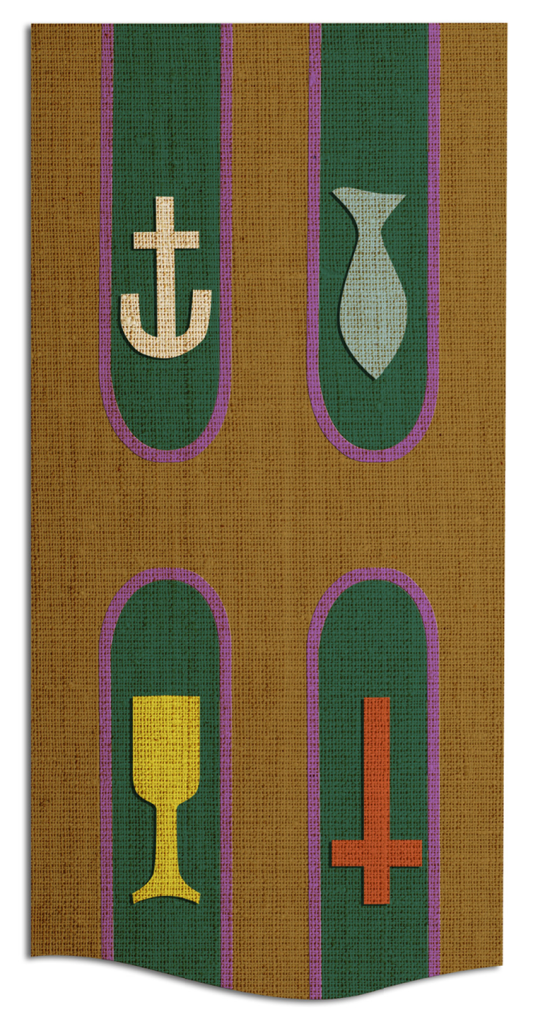
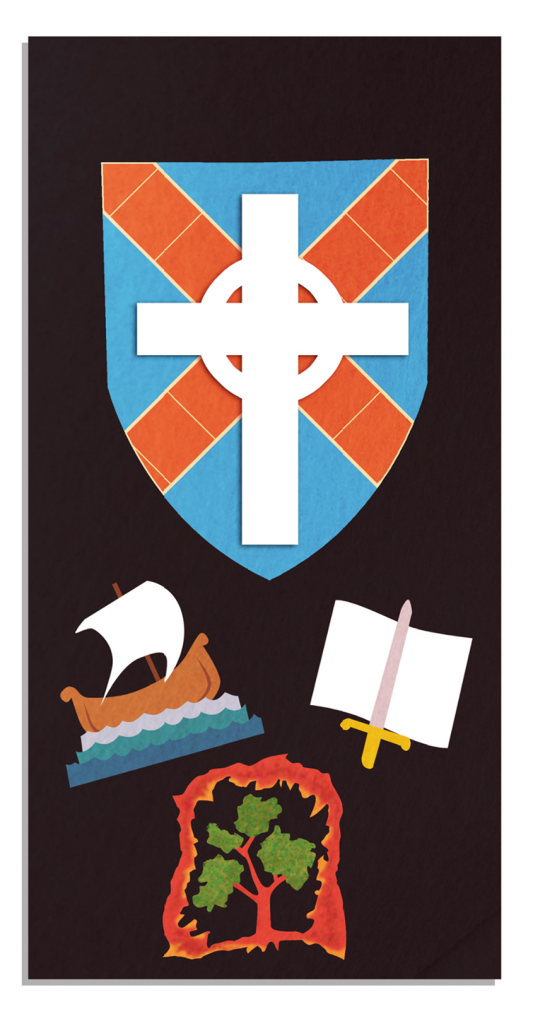
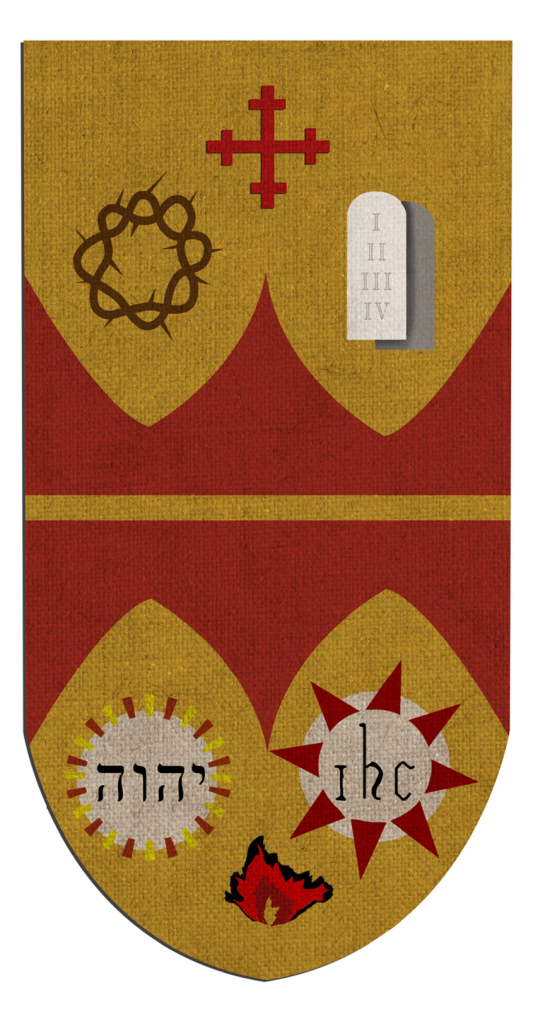
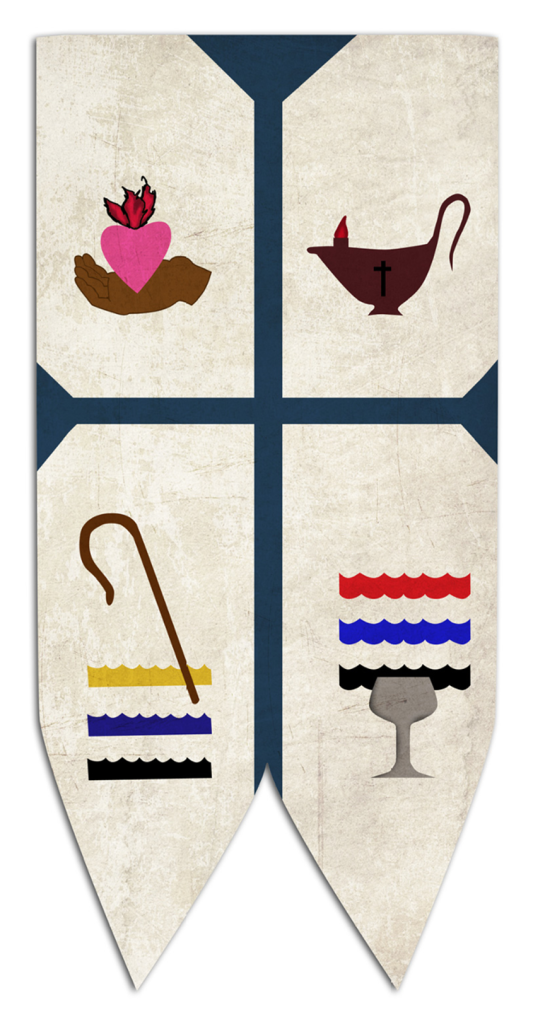
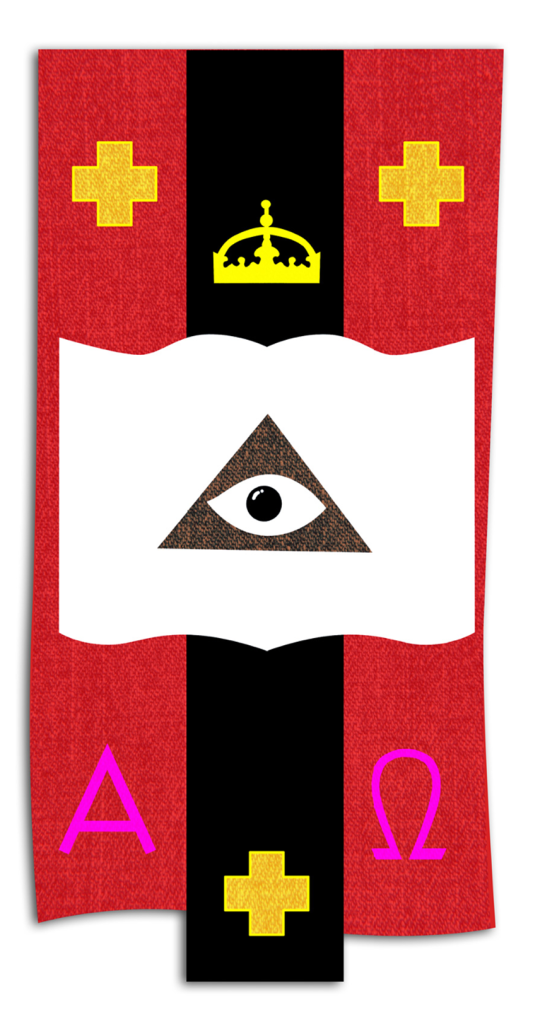
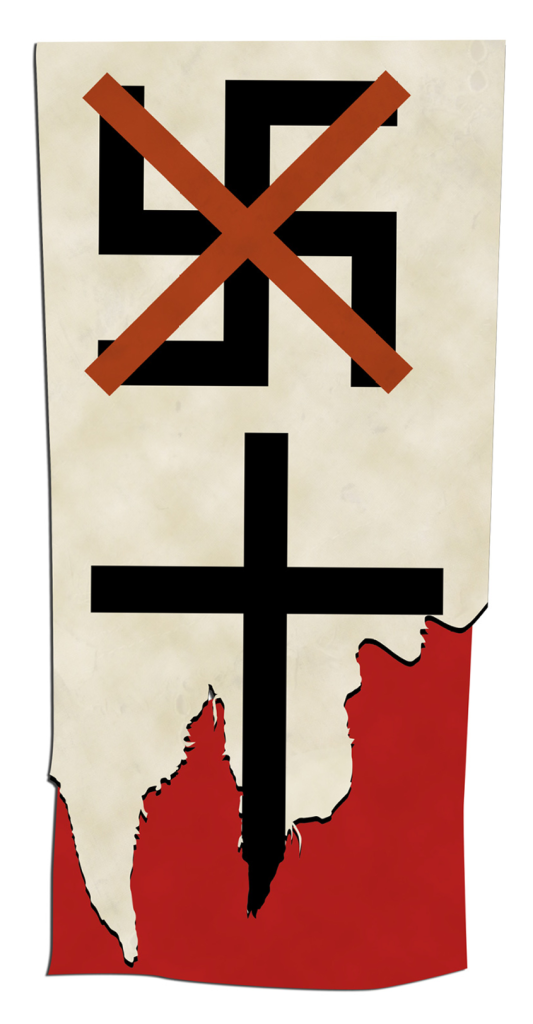
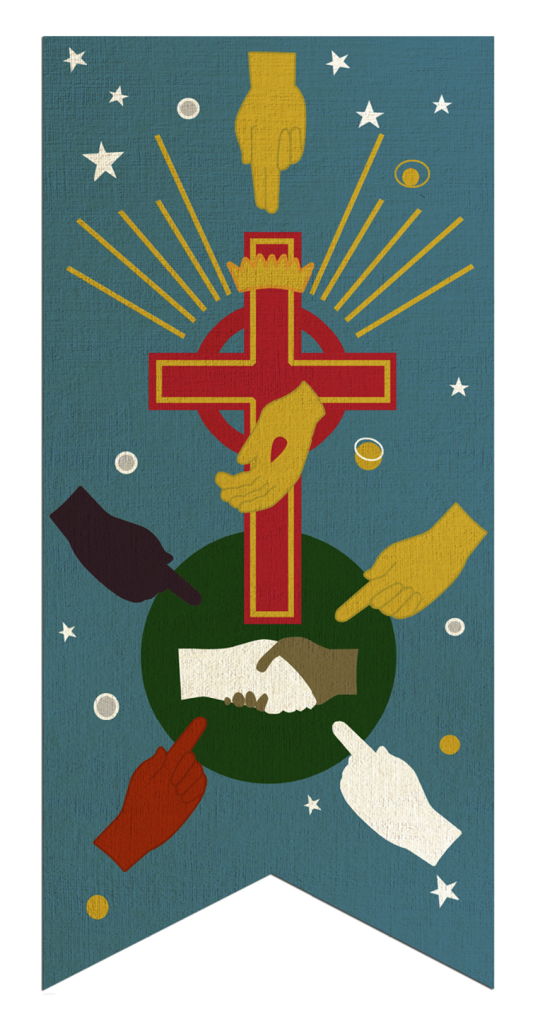
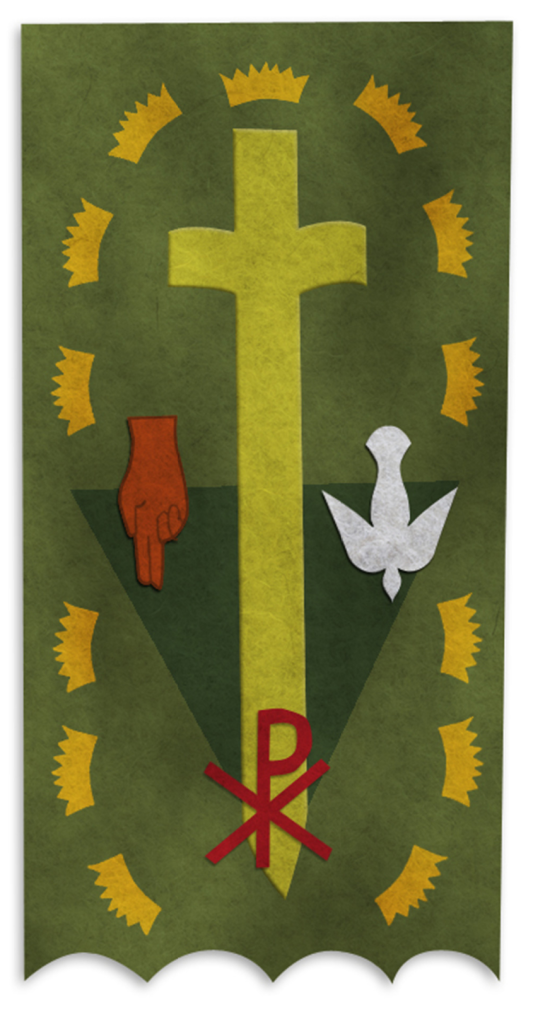
When the Book of Confessions was adopted, Rev. Richard K. Avery, pastor, and Donald S. Marsh, choir director, of the Port Jervis, New York, Presbyterian Church devised eight banners symbolic of the confessions.
The Nicene Creed
(4th Century)
The Apostles' Creed
The Scots Confession
(Scotland, 1560)
The Heidelberg Catechism
(Germany, 1563)
The Second Helvetic Confession
(Switzerland, 1566)
The Westminster Confession and the Shorter Catechism
(England, 1646)
The Theological Declaration of Barmen
(Germany, 1934)
The Confession of 1967
(United States of America)
The Book of Order
The Book of Order sums up the Reformed teaching as such (F-2.05):
We affirm the majesty, holiness, and providence of God who in Christ and by the power of the Spirit creates, sustains, rules, and redeems the world in the freedom of sovereign righteousness and love.
We affirm the election of the people of God for service as well as for salvation.
We affirm covenant life marked by a disciplined concern for order in the church according to the Word of God.
We affirm a faithful stewardship that shuns ostentation and seeks proper use of the gifts of God’s creation.
And we affirm the recognition of the human tendency to idolatry and tyranny, which calls the people of God to work for the transformation of society by seeking justice and living in obedience to the Word of God.
More about Reformed theology in the PCUSA can be found here.